The Whale and the Barnacles
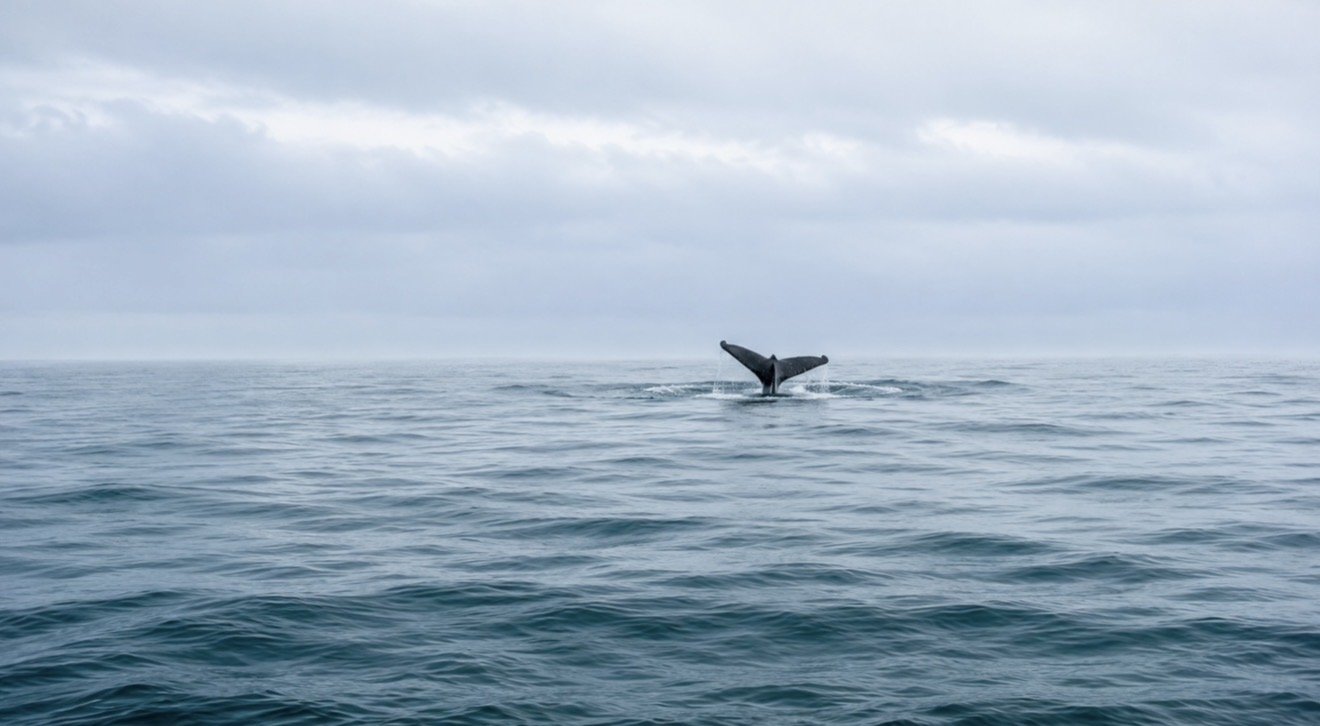
A few weeks ago, somebody I was coaching said something that has stayed with me.
“I feel like a whale that’s covered in barnacles.”
It was such a vivid image that I could see it immediately: this magnificent creature, perfectly capable of moving through the water, but carrying layer upon layer of things that had attached themselves along the way.
So rather than translating it into coaching language, we stayed with the whale and its barnacles.
What were the barnacles?
Some had been there for years. Difficult relationships. Hurt. Anger. Dishonesty. The importance this coachee placed on respect and the pain felt when that respect had been withheld.
And then something rather lovely began to happen.
As we talked about particular experiences, they started recognising when a barnacle had gone.
Not because the past had changed. Not because somebody had apologised or behaved differently. But because something in the relationship with it had shifted.
One conversation the coachee had been avoiding became another barnacle.
They said what they needed to say.
And afterwards, that one barnacle that had represented the feeling and the pain had gone too.
As more of the barnacles began to loosen, the whale changed as well.
The coachee described themselves as rising higher through the water. Leaping out. Lighter. Happier. Freer.
At one point, the whale was no longer simply moving through the vastness of the ocean weighed down by everything attached to it. The whale was coming up through the surface - breathing fresh air.
That image stayed with me too.
There was something joyful about it.
The whale itself had not changed. It had always been there.
And as the barnacles began to fall away, the whale could move differently.
By our next conversation, the whale had become part of our shared language. We didn’t need to spend ten minutes explaining what it represented. We could simply wonder whether something was another barnacle, whether one was beginning to loosen or whether an old one had somehow reattached itself.
And that made me think about metaphors.
We use them constantly, usually without noticing.
We talk about carrying baggage, hitting walls, being at a crossroads, drowning in work or seeing light at the end of a tunnel.
But occasionally somebody produces an image that seems to contain far more than the words around it.
The temptation for a coach can be to interpret it.
A coach could hear “barnacles” and immediately decide what they represent. Burdens. Trauma. Difficult people. The past.
But they weren’t my barnacles.
They were the coachee’s.
My role was simply to be curious enough to stay with the image and let them discover what was attached to their whale.
This is what fascinates me about metaphor.
Sometimes we seem to know something before we can explain it.
An image appears first.
The meaning follows.
And sometimes, as the meaning changes, the image changes too.
The whale that began the conversation, weighed down beneath the water, was eventually rising towards the surface.
Lighter.
Freer.
Perhaps even ready to leap.
